India’s Labour Codes and the Practical Rules for Employers and Workers
Blog 111 – Updated 6 November 2026
India’s four Labour Codes came into force on 21 November 2025. The Central Rules followed in May 2026. The task now is to make their requirements understandable at the factory gate, in the office, on the construction site and wherever people earn their living. [1–3]
A worker needs to know when wages must arrive and which deductions can be challenged. An employer needs to know what must be done today, which authority governs the establishment and what cannot safely be assumed. Governments need to resolve procedural gaps without allowing uncertainty to become an excuse for withholding pay or ignoring safety.
Much of the substantive law is already clear. The Ministry has also published FAQs and a compliance handbook for employers in the Central Government sphere. The difficulty is that a reader must connect these explanations with the relevant Code, final rules, state notifications and the circumstances of the establishment. A handbook cannot replace that exercise, especially where later rules have changed the detail. [17–21]
We therefore need to distinguish enforceable obligations from matters requiring local verification, and both from recommendations for better administration. Calling everything “work in progress” understates existing protections. Treating every announcement as a fully available benefit overstates what an individual can claim.
What has commenced and what still needs checking
The Code on Wages 2019 and the three Codes enacted in 2020 consolidate 29 central labour laws. The government made the four Codes effective from 21 November 2025. Individual provisions must be read with their commencement notifications, including any earlier notifications. A Lok Sabha answer on 20 July 2026 confirmed that the Central Rules were notified on 8 May 2026. The OSH notification is dated 8 May; its Gazette publication identifier is dated 9 May, and the rules commence on publication. [1,2,4,14]
State rule-making remains a separate question. A draft published for objections is not a final rule. A final notification must be checked for its effective date and later amendments. October 2026 trackers show a mixture of final and draft rules, with disagreements over some entries. They are useful leads, but an establishment should rely on the official Gazette rather than a national total assembled from inconsistent classifications. [9,10]
The Ministry’s transition FAQs explain that earlier rules continue until new rules are finally notified, to the extent they are consistent with the Codes. This is qualified continuity. It neither suspends the new statutory duties nor allows every old procedure to continue regardless of a conflict. [11]
First establish which rules apply
Before deciding what to change, each employer should record the establishment’s activity, location, headcount and employment arrangements. It must then identify the “appropriate government” under each relevant Code. Central jurisdiction covers specified categories; many other establishments fall under state jurisdiction. A corporate head office or a familiar industry label does not settle every question. [5–8,17]
Coverage also differs between provisions. The definition of an “employee” is not identical to the definition of a “worker”. A managerial employee may have wage-payment protection without qualifying for every industrial-dispute remedy. Being outside a particular licensing threshold does not remove every wage or safety obligation.
State Shops and Establishments legislation and other applicable laws also need examination. The Codes consolidate specified central Acts; they do not replace the entire legal framework governing every office, shop or service business. Written terms and applicable settlements may provide additional protections that cannot simply be deleted under the label of reform.
Clear limits on pay hours and industrial action
The following limits are a starting point for establishments and people covered by the relevant provisions. They are not a universal exemption certificate. Government establishments have a specific exclusion from the wage-payment chapter unless it is applied by notification; lawful exemptions, other payment deadlines and sector-specific provisions also need checking. [17]
| Issue | Clear baseline | Boundary and qualification |
| Pay dates | Monthly wages: before expiry of the seventh day of the following month. Wages on specified exits, including resignation: within two working days. | Code on Wages s17. Check notified alternative deadlines and other applicable law. The exit rule is not a deadline for every component of the final settlement. [17] |
| Deductions | Only authorised deductions; total deductions generally capped at 50% of wages in a wage period. | Code on Wages s18. The ceiling does not authorise an otherwise unlawful deduction. Chapter III has the government-establishment qualification in s25. [17] |
| Working time | OSH baseline: eight hours a day; Ministry guidance describes 48 hours a week as standard. | For covered workers. Check notified breaks, spread-over, weekly rest, sector rules and lawful exemptions before extending a roster. No automatic permission for a 12-hour shift. [8,18] |
| Overtime | Under OSH s27, twice the rate of wages; worker consent required. | Apply the prescribed daily or weekly threshold, whichever calculation is more favourable to the worker. Prescribed overtime ceilings still apply. [8] |
| Retrenchment permission | Chapter X baseline: 300 or more workers on average per working day in the preceding twelve months, or a higher notified threshold. | Specified factories, mines and plantations; seasonal/intermittent exclusions need checking. Below-threshold establishments still face applicable notice and compensation duties. [6,19] |
| Strikes and lock-outs | Section 62 requires notice within the 60 days before action and prohibits action within 14 days of notice. | Also observe the specified action date and conciliation, tribunal, arbitration and settlement restrictions. Notice is not an unrestricted permission to act. [6] |
The distinction between wages and the entire final settlement is particularly important. The two-working-day provision concerns wages payable under section 17. Gratuity, bonus, leave encashment and other dues must be examined under their own applicable provisions. Similarly, a deduction below 50 per cent is not automatically lawful: it still needs an authorised basis.
The 50 per cent ceiling on deductions is also different from the wage-definition add-back test. The latter concerns specified excluded pay components exceeding the statutory proportion of remuneration. It is not a blanket instruction to make basic salary exactly half of cost to company. Employees should receive a component-by-component explanation of restructuring and its effect on contributions and take-home pay. [11–13,17]
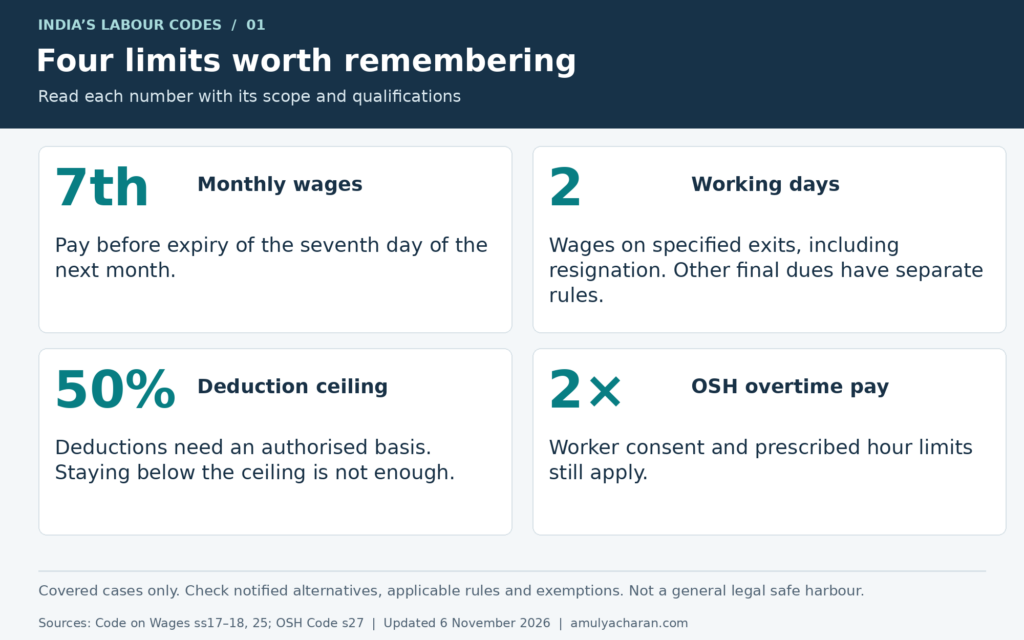
Figure 1 Key numerical limits and their qualifications
What employers must do and must not assume
Pay at least the applicable notified minimum wage, observe payment deadlines and keep the required payroll and attendance records. Gender discrimination in wages for the same or similar work is prohibited. Do not treat a worker’s signature as permission to pay below the statutory entitlement. [12,17]
For establishments covered by the OSH Code, issue appointment letters in the prescribed form, maintain a safe workplace and provide the required information, training and protection. Do not charge employees for measures provided to maintain workplace health and safety. Appointment letters are a statutory duty under section 6, not merely a desirable administrative habit. [8,14]
Before extending shifts, verify actual working time, breaks, spread-over, weekly rest, overtime consent and the applicable ceiling. Paying an overtime premium does not authorise unlimited hours. A worker’s agreement does not turn an unlawful roster into a lawful one. [8,18]
Women’s work before 6 am or after 7 pm under the OSH framework requires consent and the prescribed safeguards. The Central Rules require written consent and specify conditions; state-governed establishments must check their applicable rules. Consent cannot replace safety arrangements. [8,14]
Continue applicable social security compliance and verify the current scheme, coverage and contribution requirements before changing payroll treatment. Do not presume that describing someone as a consultant, contractor or gig worker settles their legal status. The actual relationship and applicable definitions matter. [7,16]
Use fixed-term employment through a proper written arrangement and observe the statutory protections relative to comparable permanent workers. The Ministry clarifies that fixed-term employment concerns direct engagement by the employer, and that such employees become eligible for gratuity after one year of service under the contract. This does not give every contractor-supplied worker the same one-year rule. [6,13]
Outsourcing does not automatically remove the principal employer’s responsibilities. Where the OSH contract-labour provisions apply, contractor licensing, welfare obligations and wage-payment backstop duties must be checked. Section 55 makes the principal employer responsible for unpaid wages or a shortfall when the contractor defaults. Restrictions on contract labour in core activities also have specified exceptions; neither a blanket ban nor unrestricted outsourcing is an accurate description. [8]
Before retrenchment, examine the worker’s status, service, reason for termination and the applicable chapter. Falling below the prior-permission threshold does not eliminate notice, compensation or other safeguards. A contractor invoice, a reduced headcount or a new job title should never be treated as a substitute for that legal assessment. [6,19]
What workers and their representatives should do
Keep copies of appointment terms, payslips, attendance, bank credits and communications about changes in work or pay. This is practical protection, rather than a condition that extinguishes rights if an employer never supplied the paperwork. Ask for a written calculation when a deduction, contribution or benefit changes.
Report unsafe conditions and cooperate with lawful safety procedures. Under sections 13 and 14 of the OSH Code, employees have duties to take reasonable care and avoid misusing safety equipment, as well as rights to information and to raise safety concerns. Where there is a reasonable apprehension of imminent serious injury, death or danger to health, the Code provides for notifying the employer and the Inspector-cum-Facilitator. An urgent danger calls for immediate protection and escalation, not simply waiting for an online ticket. [8]
Do not sign blank resignations, inaccurate attendance sheets or receipts for money not received. Ask for a copy of a proposed settlement and an explanation before signing. This is recommended practice; it should not be confused with a claim that a signed document can lawfully waive a statutory minimum.
Workers and unions should use grievance, bargaining and dispute-resolution channels and check the full strike restrictions before acting. Fourteen days’ notice alone does not make a strike lawful during a prohibited period. Employers face corresponding restrictions on lock-outs. Neither side should treat the other’s procedural breach as permission to disregard its own duties. [6,21]
Workers should provide accurate information for claims and follow lawful workplace instructions consistent with safety. At the same time, they should not assume that e-Shram or platform registration automatically activates every pension, insurance or provident-fund benefit. Identify the actual scheme, eligibility and claim route. A rejected claim should come with a reason that can be examined and, where provided, challenged. [2,7]
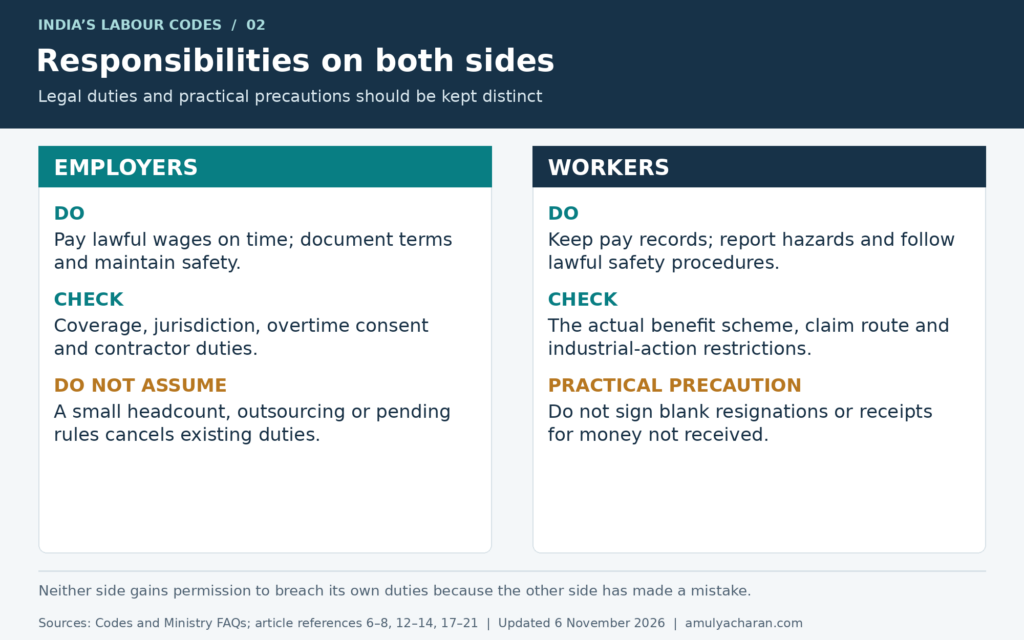
Figure 2 Employer and worker responsibilities
Industry specific checks that cannot be skipped
A single checklist cannot settle every industry’s obligations. The following table identifies priorities for verification; it does not grant a sector-wide exemption or replace the relevant rules. The statutory anchors are the wage, industrial-relations, social-security and OSH provisions discussed above. [6–8,14,17]
| Industry | What to verify and act on | Do not assume |
| Manufacturing and textiles | Map factory and OSH coverage; verify machine/process safety, shifts, overtime and contractor arrangements. Test standing-orders and retrenchment thresholds separately. | A small headcount does not establish exemption from every duty. The standing-orders count is not the same test as the Chapter X retrenchment average. |
| Construction and infrastructure | Identify employer and contractor duties; verify site safety, wage evidence, migrant-worker provisions and applicable construction-worker welfare/cess requirements. | A contractor’s licence or invoice does not prove wages were paid or remove the principal employer’s statutory duties. |
| IT offices retail and hospitality | Check state Shops and Establishments law, wage-payment duties, night-work conditions and the actual employee/worker classification. | A white-collar title does not remove wage rights. A factory-specific threshold cannot be applied automatically to an office or hotel. |
| Logistics transport mines and docks | Identify the precise establishment and mode of transport; check sector-specific hours, rest, fitness and safety provisions, and jurisdiction. | A roster lawful in one operation is not automatically lawful in a mine, dock, vehicle operation or warehouse. |
| Platforms and gig work | Determine the actual work relationship. Name the scheme behind each benefit claim and verify eligibility, funding, registration and payment routes. | Registration does not automatically confer every employee benefit. A platform label alone does not decide employment status. |
For example, a factory near the 300-worker threshold needs the statutory headcount calculation for the preceding twelve months, not a photograph of staffing on the proposed dismissal date. An IT business needs to establish which employees qualify as workers before assuming that an industrial-relations procedure applies to everyone or no one. A construction principal employer needs evidence that contract workers were actually paid, not just that the contractor submitted a bill.
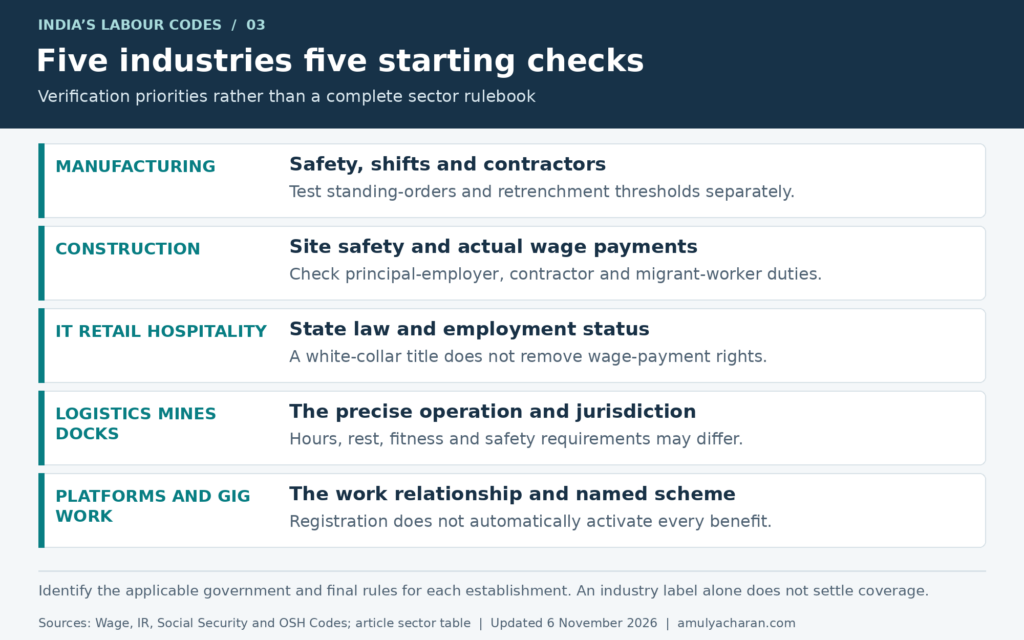
Figure 3 Industry checks before acting
What safe operating limits really mean
There is no general immunity merely because a state rule is pending, a portal is unavailable or someone followed an informal assurance. A statutory maximum is also not a guarantee that every arrangement below it is lawful. Lower hours, for instance, do not excuse unsafe equipment or a missing weekly rest requirement.
For employers, the prudent course is to meet duties already clear in the statute, preserve records, continue compatible existing procedures and seek a written clarification where the applicable route is uncertain. Do not withhold undisputed wages while waiting to resolve a separate legal question. If two plausible procedures conflict, obtain a reasoned, establishment-specific assessment before making a change that affects entitlements.
For workers, preserve evidence, raise concerns promptly and verify the relevant authority and claim procedure. An internal complaint should not be assumed to pause a statutory filing deadline. A national article cannot determine every limitation period or remedy from a job title alone.
These are operating precautions. They do not create a legal safe harbour or a new right to ignore a binding rule. Any government proposal for transition relief must explain its legal basis and protect substantive worker entitlements.
What the Government of India should do next
The Centre should lead a time-bound programme with a named officer responsible for each unresolved issue. The following are recommendations, not an announcement of deadlines already set by law.
1. Within 30 days, publish one authoritative register linking every commencement instrument, final Central Rule, correction, scheme and relevant state notification. Show draft, final and in-force status separately, with the date of the last verification. Resolve disagreements with the issuing government before presenting a national total.
2. Publish coordinated industry manuals within 60 days. Start with manufacturing, construction, logistics, IT and services, and platform work. Each manual should identify jurisdiction, coverage tests, mandatory actions, forms, deadlines, exceptions and the official source. Include worked examples and state variations rather than generic promises of simplification.
3. Issue a consolidated transition circular distinguishing duties that already apply from procedures still awaiting an instrument. Explain what to do when a form or portal is unavailable, how to submit evidence through an authorised alternative, and how it will be acknowledged. A circular must remain within statutory powers; it cannot suspend an Act.
4. Provide tested payroll illustrations showing wage-definition treatment, deductions, contributions and exit payments. Keep fixed-term employees, contractor-supplied workers and platform workers separate. Update the examples when a notification changes a ceiling or scheme.
5. Publish a scheme-by-scheme delivery schedule for gig and unorganised workers, specifying funding, eligibility, registration, benefit commencement and claims. Do not count registration as a benefit paid. Coordinate with states on portability and overlapping arrangements.
6. Agree a common reporting format with states. Report wage recovery, claims paid, complaint disposal times, serious safety breaches and unresolved jurisdiction disputes. Use the data to correct failures; do not measure implementation mainly by the number of notifications issued.
What State Governments should deliver
States should publish a dated action plan alongside the Centre’s programme. State responsibilities are not completed by copying Central Rules without examining local jurisdiction and administrative capacity.
1. Finalise outstanding rules through the required consultation and Gazette process. For each Code, publish the final text, effective date, superseded instruments and a comparison of significant changes. Explain how applicable state Shops and Establishments provisions interact with the Codes.
2. Issue district and industry compliance sheets within 60 days. Give employers and workers a short list of duties, payment limits, working-time requirements, documents and complaint contacts in local languages. Separate legal requirements from voluntary good practice.
3. Name the responsible inspector, claims authority and escalation officer for every district and relevant jurisdiction. Provide assisted filing and a paper or authorised alternative where digital access fails. A worker should receive a dated acknowledgement without being sent from office to office to discover who is responsible.
4. Train officials, payroll teams, small employers and worker representatives together using practical cases. Publish written answers to recurring questions so the answer does not change with the officer on duty. Arrange regular clinics through industrial clusters and worker service centres.
5. Prioritise unpaid wages, serious hazards, coercion and exclusion from benefits. Set and publish service standards for acknowledgements, inspections, reasoned orders and appeals without pretending that an administrative target changes a statutory deadline. Reserve any lawfully available correction period for appropriate procedural lapses; it must not become permission to underpay or expose people to danger.
6. Publish quarterly delivery results and unresolved issues. Include contractor defaults, migrant-worker access and the time taken to make payments after a successful claim. Establish a route for referring questions requiring Central clarification, with the response made public.
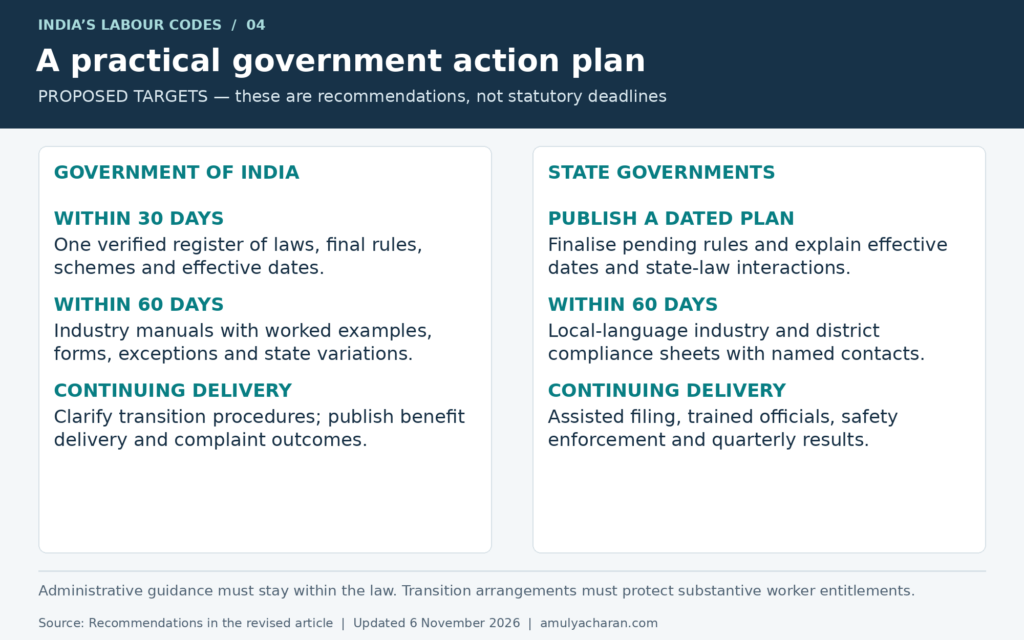
Figure 4 Recommended action by the Centre and states
Make the entitlement usable at ground level
This administrative work needs a human test. Can a daily-wage worker understand the answer without hiring an intermediary? Can a small employer identify the correct form without buying several conflicting interpretations? Can a migrant worker pursue a claim after moving home?
District assistance should explain the entitlement, check documents, identify the correct authority and provide a receipt. Fees, if any, should be displayed. Rejections should state reasons and the available review route. Employers and worker representatives should have accessible contact points, while serious complaints retain an independent escalation channel.
India has crossed the legal commencement milestone. The next obligation is to make clear duties visible and unresolved procedures answerable to a deadline. Employers need reliable instructions. Workers need protections they can use. Governments should now show, establishment by establishment and district by district, how both will receive them.
References
Sources reviewed for this update on 6 November 2026. Statutory texts and notified rules govern; FAQs and handbooks explain them. References 9 and 10 are independent trackers and are not authoritative certifications of every state’s position. Proposed government delivery periods in this article are recommendations.
1. Ministry of Labour and Employment via PIB, 21 November 2025. Government makes the four Labour Codes effective. Read source
2. Lok Sabha Unstarred Question 194, answered 20 July 2026. Status of Four Labour Codes. Confirms commencement, Central Rules and state rule-making responsibilities. Read source
3. Ministry of Labour and Employment via PIB, 29 September 2026. Shram Samvad programme at Okhla. Reconfirms the two principal dates. Read source
4. Gazette of India, S.O. 5319(E), 21 November 2025. Commencement of specified provisions of the Code on Social Security. Read source
5. Gazette of India, G.S.R. 343(E), 8 May 2026. Code on Wages Central Rules 2026. See also statutory provisions discussed in the Ministry wage FAQs at reference 12. Read source
6. India Code. Industrial Relations Code 2020. Relevant provisions include sections 2, 28, 62 and 77–80. Read source
7. India Code. Code on Social Security 2020. See particularly the framework for unorganised, gig and platform workers. Read source
8. India Code. Occupational Safety Health and Working Conditions Code 2020. See application, employer duties and employment of women. Read source
9. Labour Law India. State rules tracker, last checked by its publisher on 25 October 2026. Independent secondary source; verify individual entries against official Gazettes. Read source
10. NidhiSetu. State rules tracker, last verified by its publisher on 30 October 2026. Independent secondary source with entries marked unverified or unclear; not an authoritative nationwide census. Read source
11. Ministry of Labour and Employment. FAQs on Labour Codes, 30 December 2025. Includes transitional continuity and definition of wages. Read source
12. Ministry of Labour and Employment. FAQs on the Code on Wages 2019. Coverage, floor wage, bonus and deductions. Read source
13. Ministry of Labour and Employment. Additional FAQs on Labour Codes, as on 16 March 2026. Wage components and fixed-term employment. Read with subsequent notifications. Read source
14. Gazette of India, G.S.R. 345(E), 8 May 2026. Occupational Safety Health and Working Conditions Central Rules 2026. Read source
15. Gazette of India, G.S.R. 342(E), 8 May 2026. Industrial Relations Central Rules 2026. Read source
16. Gazette of India, G.S.R. 344(E), 8 May 2026. Social Security Central Rules 2026. Read source
17. India Code. Code on Wages 2019, especially sections 3, 5, 14, 17, 18, 25, 50 and 60. Wage-payment deadlines, deductions, records and contracting out. Read source
18. Ministry of Labour and Employment. FAQs on the OSH Code 2020. Working hours, overtime, women’s night work and coverage thresholds. Read source
19. Rajya Sabha Unstarred Question 1527, answered 12 February 2026. Raising Thresholds for Lay Offs. Explains the preceding twelve-month average test under section 77. Read source
20. Ministry of Labour and Employment. Compliance Handbook for Employers Under the Four Labour Codes, Central Government Sphere. Read alongside later final rules and amendments. Read source
21. Ministry of Labour and Employment. FAQ on Myths and Realities of Industrial Relations Code 2020. Use the statutory text for the full strike and lock-out restrictions. Read source